This film highlights the incident and shows how the families concerned dealt with the tragedy and how they are struggling to cope with it. In 2001 in Aristo Bawri Mansion Dhankheti an atrocious incident occurred that shocked and the town of Shillong, when eight innocent people were shot.
A preacher preached in Polo market. Audience listenig to the preacher attentively. End Time Evening in Polo is part of series of films called Tourist Information for Shillong by splitENDS
Bosco Reach out has been associated with the promotion of Self Help Group, particularly on empowerment of women through group activities. Bosco Reach Out Self Help Group movement has encompassed the states of Assam and Meghalaya covering 16 districts. Intiated several programmes to improve community health.
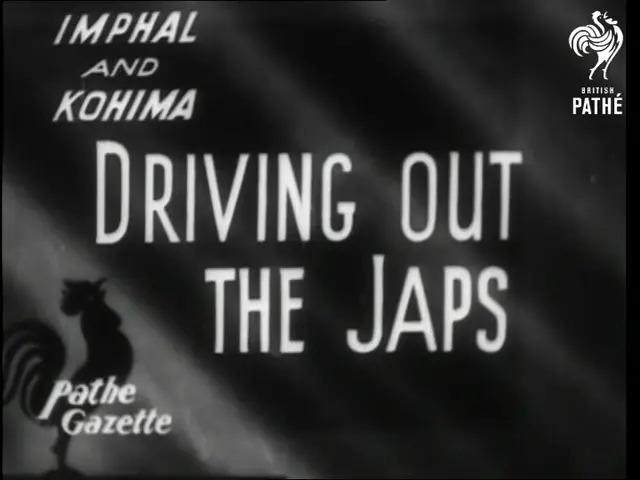
Item title reads - Driving out the Japs. Imphal and Kohima. India. Various shots of Lord Louis Mountbatten inspecting and shaking hands with Indian soldiers and British men of the 14th Army. They are near the Burmese border. He looks at captured Japanese tanks and a 'sticky' bomb, a type of hand grenade that secures itself to any metal it is thrown against. Various shots as airmen strap on their jungle emergency kit before getting in their planes. Various shots as Hurricanes (Hurri-bombers) taxi and take off from jungle aerodrome. Air to air shots of planes. Various shots of explosions in jungle village. C/U British and Indian troops firing Vickers machine gun and bren guns. Field telephones are used to give positions. M/S infantry moving forward. M/S's as troops pose with captured Japanese equipment and flag. M/S infantry and tanks advance along jungle road in the rain.
Der Terminus Matriarchat ist ein Kunstwort, das im deutschen Sprachraum erstmals Ende des 19. Jahrhunderts auftauchte,[8] in Anlehnung an die bis dahin gebräuchlichen Begriffe Mutterrecht und Gynaikokratie. Es setzt sich zusammen aus lateinisch mater ‚Mutter' und altgriechisch archein ‚herrschen' beziehungsweise ‚walten' oder auch altgriechisch ????, arché. Im Neugriechischen bedeutet arché ‚Macht, Herrschaft'; im Altgriechischen ‚Beginn, Anfang'Die Anfänge der Theorien zu Matriarchaten entstammen rechtshistorischen und ethnologischen Beiträgen des 18. und des 19. Jahrhunderts.[9] Der historische Materialismus (aber auch schon Bachofen) versteht das Matriarchat als eine allgemeine und notwendige Stufe der Gesellschaften der Ur- und Frühgeschichte.[10] Im 20. Jahrhundert gehörten sie zum Bestand marxistisch orientierter Kulturwissenschaften.[11] Dabei wurden auch schwärmerische Elemente mit historischen Tatsachen verbunden, um einen Gegenentwurf zur patriarchalischen Struktur westlicher Industriegesellschaften zu gewinnen. Das Patriarchat wurde weitgehend für soziale Zustände und moralische sowie psychologische Haltungen und Zwänge verantwortlich gemacht und das Matriarchat dabei entweder positiv als utopischer Urzustand der Gesellschaft oder abwertend als rückschrittliche Kulturstufe gedeutet.
Seit dem 19. Jahrhundert luden zahlreiche Wissenschaftsdisziplinen, kulturelle, soziale und religiöse Strömungen den Begriff -- oft unter der Bezeichnung „Mutterrecht" -- mit immer wieder anderen Vorstellungen und Inhalten auf und verwendeten ihn in dem jeweiligen historischen und kulturellen Zusammenhang entsprechend ihrer Weltanschauung. Es wurde auch darüber gestritten, ob es sich bei dem Matriarchat um Fakten oder Wunsch- bzw. Angstbilder handelt.[4] Es ist weitgehender Forschungskonsens, dass „sich das Matriarchat als Mutterherrschaft spiegelbildlich zum Patriarchat historisch nicht nachweisen lässt".[5] Synonyme für Matriarchat sind die heute kaum mehr verwendeten Begriffe Mutterrecht und Gynäkokratie[6] (z. B. Johann Jakob Bachofen); für matriarchal sind gebräuchlich: matriarchalisch, matrizentrisch (z. B. Marija Gimbutas) und matristisch (z. B. Wilhelm Reich). In Abgrenzung dazu beschreiben die verwandtschaftsethnologischen Begriffe matrilinear, matrilokal, uxorilokal Abstammungs- und Wohnsitzregeln. Mit Matrifokalität wird in der Ethnologie eine zentrale Rolle von Müttern in matrilinearen, patrilinearen oder anderen Verwandtschaftssystemen bezeichnet.
It shows the arrival of Sir Stanley Jackson, former Governor of Bengal, and Lady Jackson to Government House in Darjeeling, the 'summer seat of the Bengal government'. Shots of the church, town hall and a building with 'God Save the King' emblazoned upon on it show just how anglicised some parts of India had become. Look out, too, for Darjeeling's famous 'toy train'.
Dalai Lama, religious ruler of Tibet, reaches Tezpur, India. Dalai Lama's car arriving and of him being greeted by enthusiastic crowds. Dalai Lama, accompanied by Indian delegates.
On the Indo-Bhutan International border, 650, 000 of the Bodo ethnic majority divert the course of the Pagladia river to 116 villages through 13 embankments. They are taking the river home from a rerouted course created in the 1920’s. Only utilizing natural environmental sound, the film portrays the community’s collective action at the very first embankment by the river’s origin. They lift stone by stone, else they cease to exist.
The film presents myriad aspects of Naga life and the intense effort now going on to raised the living standards and to build the framework of community and individual welfare.
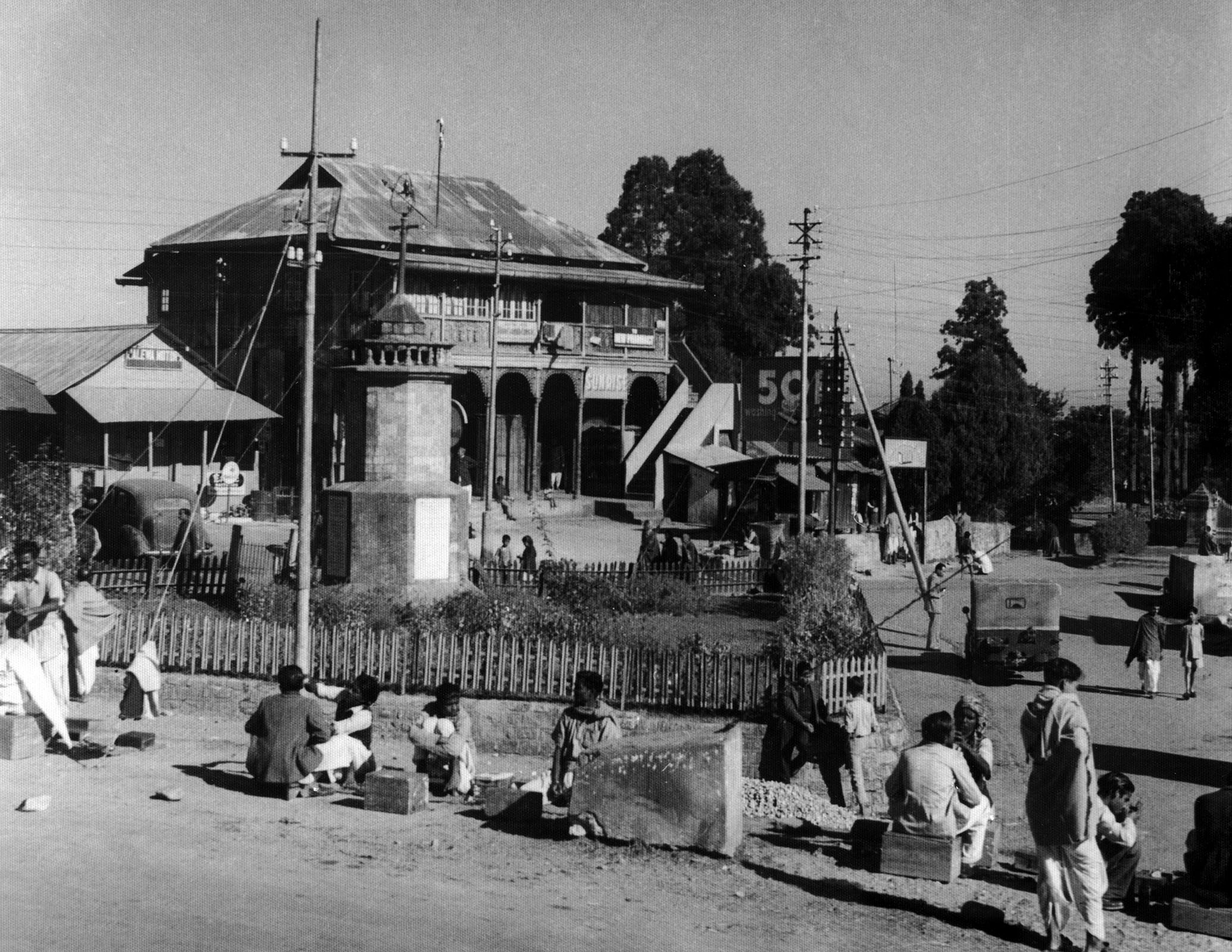
Cityscapes' is a six part series on six cities of India representing the diverse nature and histories of cities in India. 'Shillong' shows the influences of the British in its architecture, lifestyle and language, and the attempts of its indigenous people, the Khasis, to revive Khasi traditions. Shillong is the place where the British moved to after they found Cherapunji too wet. They called it 'Scotland of the East'. A multicultural city, Shillong is home to people from both India and Europe. The films attempts to explore the culture of Khasis through interviews, snapshots of indigenous people, reconstruction of legends, traditional dances, architecture, bazaars and documentary footage.
The Film is a portrait of a family in a remote village called Puntong deep inside a Lepcha tribal reserve called Dzongu in Northern part of Sikkim, India
Every winter, the lamas of Phensang's village monastery hold their annual cham. These dramatic ritual masked dances impart elementary Buddhist teachings while providing entertainment to villagers.Their main purpose is to remove obstacles and ward off misfortune for the village, its inhabitants and the monastery. However, for lamas and more serious Buddhist practitioners, these cham and their rituals hold deep philosophical meanings. In the course of this village event, the deities who emerge in the period between death and rebirth make their rhythmic appearances followed by the Lord of Death who judges one's good and bad deeds in the after life.
Every winter, over a period of six days, the lamas of Lingthem's village monastery hold their annual cham. These dramatic ritual masked dances impart elementary Buddhist teachings while providing entertainment to villagers. Their main purpose is to remove obstacles and ward off misfortune for the village, its inhabitants and the monastery. However, for lamas and more serious Buddhist practitioners, these cham and their rituals hold deep philosophical meanings. In the course of this village event, the deities who emerge in the period between death and rebirth make their rhythmic appearances followed by the Lord of Death who judges one's good and bad deeds in the after life.
Here is the story of how the mightiest of mammals, the elephant is caught. The film shows the difficulties encountered in trapping wild elephants in the thick forests on the banks of the river Kabini in Mysore. Stupendous efforts required for successful operation of the 'Khedda' are vividly explained in the film. Catching the wild elephants is a risky job indeed requiring patience, skill and years of training.
It is filmed during the threshing of Paddy, music is the heart of the documentary. The silence of their surroundings is not something the residents enjoy as much as we would like to believe. The quiet of the forest and the daily grind of making ends meet with impossibly low means, is probably what makes them sing. When they are singing, they are a whole, if someone misses a word, someone else picks it up and so on.
350 people have died in election violence due 23028324 to Assamese slaughtering Bengali immigrants whom they claim are not entitled to vote in the state elections. The last round of voting has been boycotted by half of the population as most opposition parties support the Assamese. Several people are shot by police as they attempt to steal the ballot boxes.