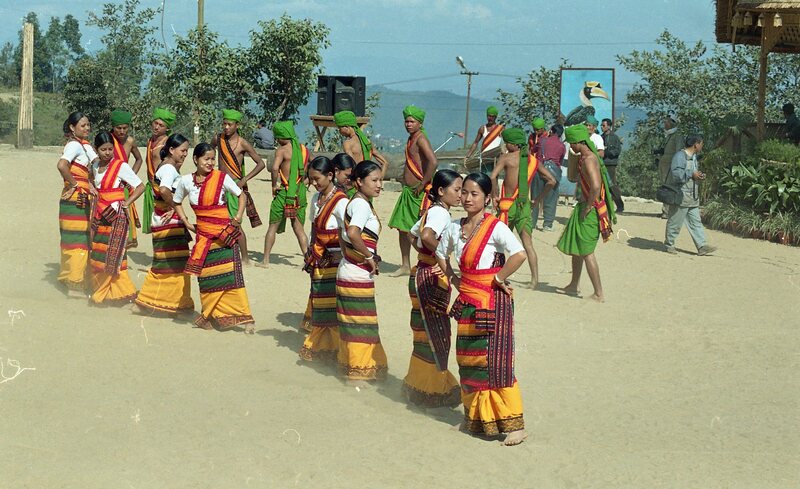
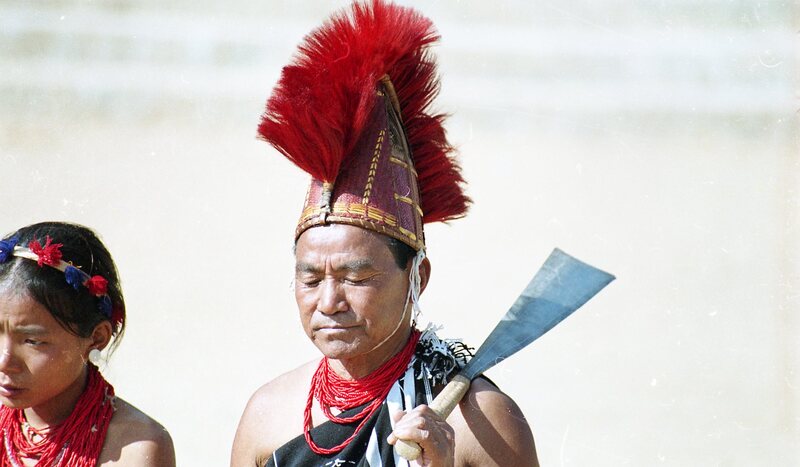
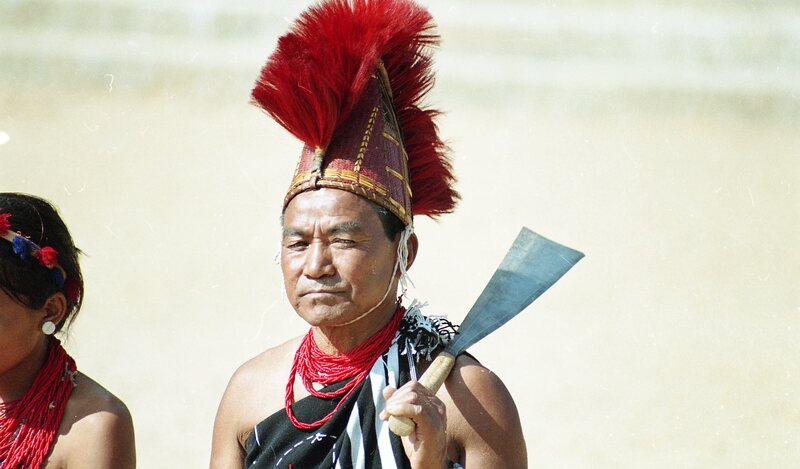
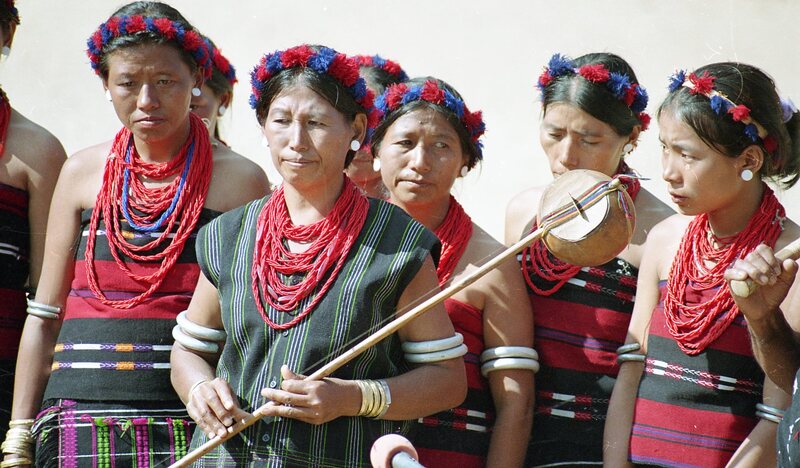
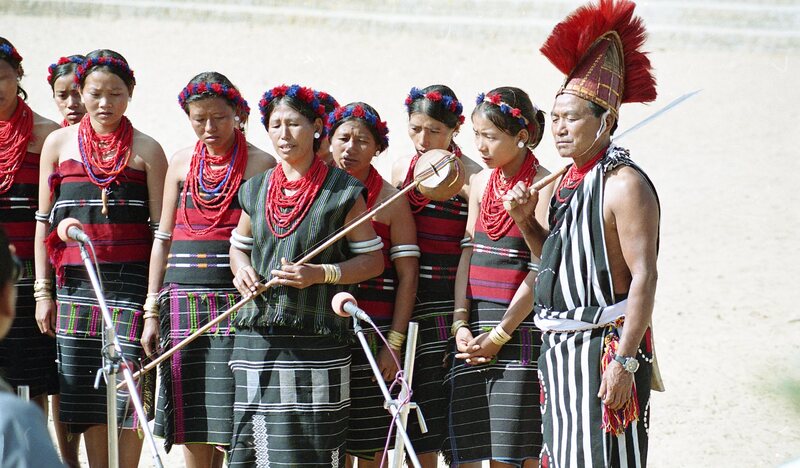
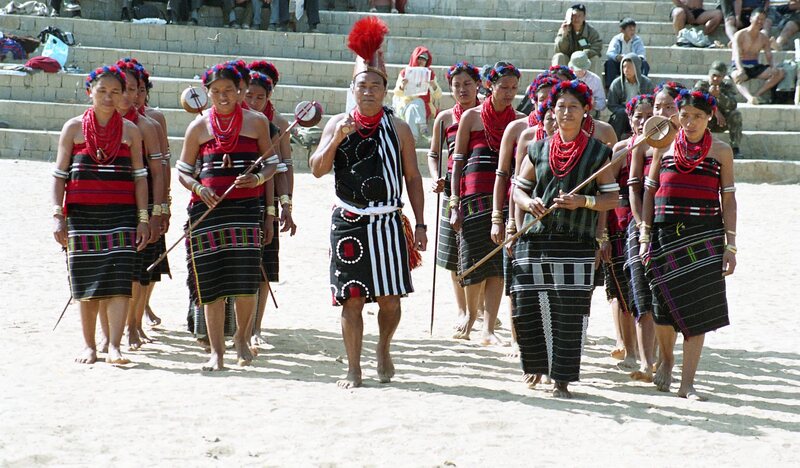
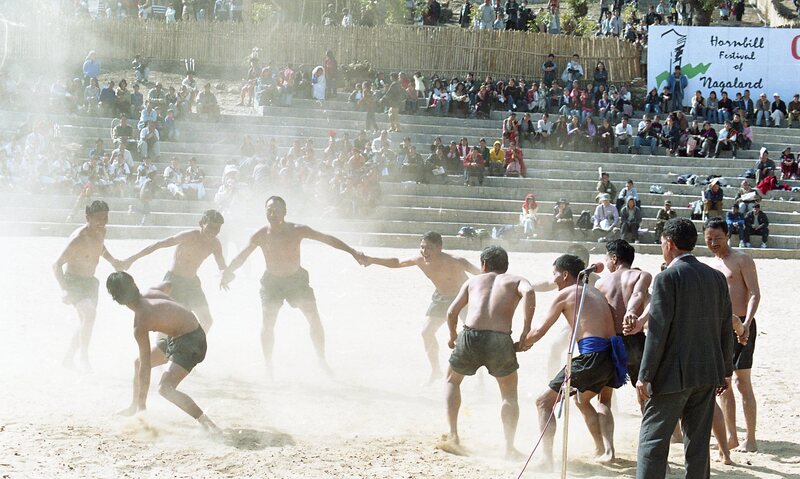
"The Quest for the Brahmaputra" is a journey along the course of Brahmaputra, the largest river in India. Originating from Tibet as river Tsang-Po, Brahmaputra travels through the hills and plateaus of Tibet, entering the plains of Assam and finally merges with the Bay of Bengal through Bangladesh. Changing its name six times throughout its journey, the Brahmaputra is equivalent to Navarasa, the nine emotions; sometimes calm and silent, as if in a meditative mood, sometimes destructive like a monster. The film portrays the culture and livelihoods that have flourished along the river. Over half a million people are dependent on the river, which also has religious importance in their lives 'The Quest for the Brahmaputra' is a quest that ends with the silent answer from a fisherman, when asked about their dependence even though the river is so destructive.
The film traces the different cultures and lifestyles on the banks of 900 km long journey of the river Brahmaputra in India. The river starts its journey in the Tibetan Plateau as Tsang-Po, enters India flowing through the north-eastern states of Arunachal Pradesh and Assam and exists to Bangladesh flowing out into the Bay of Bengal as Padma. In India the river supports the living cultures and livelihoods of 30 million people of different ethnicity. The film presents a series of cultural practices that are dominated by the river. The film also explores several myths related to the river. The film uses the meandering river to explore the cultural, political and economic life of the people who live on the riverbanks.
The Film gives an insight into the lives of three Manipuri Jews living in a turbulent, neglected part of the country where their steadfast belief and strict practice of Orthodox Judaism offer them a glimpse of a better life.
Chinese Indians are located in different parts of India. Some of them lived in Shillong. During the Indo-China War many of them were put in prison, imported to different part of the country. There were few of them who returned to Shillong and lived there.
For Suren Boro and 650,000 people living in 126 villages of Bodoland in the southern side of the River Pagladia, the river is a living god called "Pagla Baba". Situated near Indo-Bhutan international border of Assam, the river runs from the west to the east contrary to the locations of the villages in the south. The majority population is ethnic Bodo. Round the year they remain engaged in pushing the river down south, for every use of water - drinking, household, irrigation. There is no other source such as a tube well, dug well, or water stream. Since the 1920s, they have constructed 13 bunds (embankments) with whatever materials at their disposal - boulders, stones, sand, trees, climbers, straw. Tarpaulin and plastic sheets are the latest inclusion in their armory. The entire arrangement is controlled, maintained and regulated by a registered society since 1954. During the work of repairing a bund, Suren gets the news that his wife has fallen sick. He returns home immediately and finds his wife in labour. In the hospital, she gives birth to a son. Meanwhile the villagers have nearly completed repairing the bund and are preparing to allow the water to flow. The next morning when the water reaches the channel near Suren's house, his wife performs ablution of the new born baby with the water of Pagla Baba. The Baba has blessed them with the child.
The roads in every nook and corner are packed with cars. Everyone is trying to rush to reach to their destinations, whether in work places, home or schools, etc. Vehicles in Shillong are increased everyday but the roads remain the same. Therefore, no one can avoid trafffic if you are passing through Shillong city.